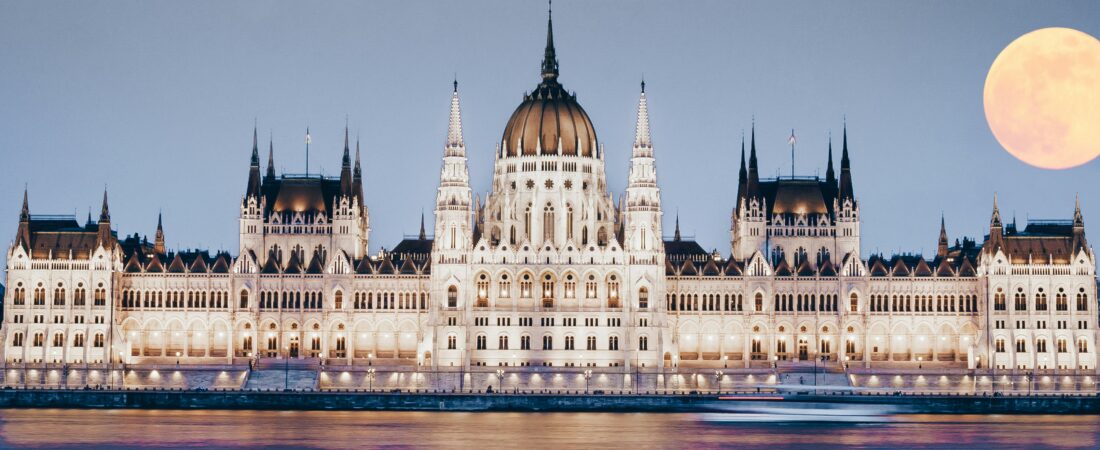
Budapest is one of those cities that rewards a slower pace. Three days is the sweet spot — enough to see everything essential, spend a full morning at a thermal bath, wander the ruin bars at night, and still have time to sit on the riverbank with a beer and just look at the Parliament.
This itinerary is built the way I’d plan it for a close friend: logical, honest about timing, and with the kind of practical details that actually make a difference on the ground.
Before You Arrive: Quick Planning Notes
- Currency: Hungarian Forint (HUF), not Euro. Use ATMs or exchange on arrival. Cards accepted almost everywhere but carry some cash.
- Getting around: Metro, trams, and buses are excellent and cheap. A 24-hour pass costs around €6.50. Download the BKK app.
- Where to stay: District V (city center) or District VII (Jewish Quarter) are the best bases — central, walkable, and close to restaurants and nightlife.
- Gellért Baths note: Currently closed for renovation until 2028. Rudas Baths is the best alternative.
Day 1: Buda — The Castle, the Views, and the Hill
The logical way to approach Budapest is to divide it by the river. Start with Buda — the historic, hilly western bank — and save the energy of Pest for days two and three.
Morning: Free Walking Tour of the Castle District
Start your first morning with a free walking tour of the Buda Castle District. Budapest has excellent tip-based tours led by local historians, and this is the single best way to get your bearings and understand the city’s layered history — Roman, Hungarian, Ottoman, Habsburg, and Soviet all left their mark here.
Tours typically start around 10am and last 2–3 hours, covering Buda Castle, Matthias Church, and Fisherman’s Bastion. Tip your guide well — they earn it.
Late Morning: Fisherman’s Bastion and Matthias Church
After the tour, take your time at Fisherman’s Bastion — the neo-Romanesque terraces and towers built in 1902, offering the best panoramic view in Budapest. The Parliament across the river, the Chain Bridge below, the entire Pest skyline — it’s one of the great views in Europe. Go early to beat the crowds. Lower terrace is free; upper walkways cost a small fee in summer.
Right next to it, Matthias Church is worth going inside — a stunning Gothic church where Hungarian kings were crowned for centuries. Entry around €6.
Afternoon: Buda Castle and the Cave System
Walk down to Buda Castle and explore the complex. The exterior, courtyards, and gardens are free. If you want to do one paid experience here, make it the Buda Castle Cave Tour — a 10-km labyrinth of tunnels beneath the castle, once used as wine cellars, bomb shelters, and a prison. It’s genuinely fascinating and one of the most memorable things to do in Budapest.
The Hungarian National Gallery inside the castle is excellent if you have time — one of the best art collections in Central Europe.
To get up and down Castle Hill, take the historic funicular from Clark Ádám Square (€5–6 return, dating to 1870) or simply walk.
Evening: Gellért Hill at Sunset
End your first day with the walk up Gellért Hill — about 30 minutes from the base, through parkland and past the Gellért Monument. The views from the top at sunset are extraordinary: the entire city spread out on both sides of the Danube, the Parliament glowing on the Pest bank.
Come back down and cross the Liberty Bridge on foot — one of the most beautiful bridges in Budapest, painted green with golden falcons on top.
Dinner: Head into Pest and find a traditional Hungarian restaurant in the Jewish Quarter. Order goulash, chicken paprikash, or try lángos (deep-fried dough with sour cream and cheese) from a street stall near the Great Market Hall.
Day 2: Pest — Parliament, Market, Baths, and Ruin Bars
Day two belongs to Pest — flat, energetic, and packed with the city’s best food, culture, and nightlife.
Morning: Tram 2 and the Parliament
Start the day on Tram 2 — one of the most scenic tram routes in Europe, running along the Pest bank of the Danube with postcard views of Buda Castle, the Chain Bridge, and all the bridges. Take it north toward the Parliament and sit on the right side with your camera ready.
The Hungarian Parliament is the most spectacular building in Budapest. Book your guided interior tour in advance online (around €25) — same-day tickets often sell out. The tour takes you through the grand central dome hall where Hungary’s Holy Crown is displayed under armed guard. Even if you skip the tour, stand on the riverbank opposite and stare at it for a while. It’s extraordinary at any time of day, but especially at dusk.
Mid-Morning: St. Stephen’s Basilica
A 15-minute walk from the Parliament, St. Stephen’s Basilica is Budapest’s most important church and another architectural masterpiece. Entry is free. Climb the dome tower (€10) for excellent views over the city center.
Stop for coffee at the Párisi Passage nearby — a restored 19th-century arcade with a stunning painted ceiling, now housing a café and restaurant. It looks like something out of Paris.
Afternoon: Great Market Hall and the Jewish Quarter
Walk south to the Great Market Hall (Központi Vásárcsarnok) — a magnificent neo-Gothic building from 1897, packed with food stalls, spice vendors, paprika in every form, local sausages, and fresh produce. Ground floor is the best for food; upper floors for souvenirs and a small food court.
From here, walk north into the Jewish Quarter (District VII). This neighborhood was Budapest’s historic Jewish ghetto and is now one of the most interesting and atmospheric areas in the city — Art Nouveau synagogues, crumbling courtyards, independent cafés, and ruin bars on every street.
The Dohány Street Synagogue (the largest in Europe) is worth a visit if you have time. Entry around €20, open Sunday–Thursday 10am–6pm.
Late Afternoon: Széchenyi Thermal Baths
Give yourself at least 3 hours at the Széchenyi Baths in City Park — a magnificent yellow Baroque palace with outdoor and indoor pools, saunas, and steam rooms fed by natural thermal springs. Entry costs around €30–35.
Tips for the baths:
- Bring your own towel and flip-flops or pay extra at the door
- Go on a weekday to avoid weekend crowds
- The outdoor pools are open year-round — soaking outside in winter with steam rising around you is one of Budapest’s great experiences
- Wear a swimming cap (required in some pools — buy one there if needed)
While you’re in City Park, walk past Vajdahunyad Castle — a romantic mock-medieval complex built for the 1896 Millennium Exhibition, reflected in a small lake. Free to visit outside.
Evening: Ruin Bars
After the baths, head back into the Jewish Quarter for Budapest’s legendary ruin bar scene. Start at Szimpla Kert — the original ruin bar, enormous and full of character, with dozens of rooms, a massive courtyard, live music, and walls covered in years of graffiti and decorations. Go at 7–8pm for a relaxed drink; after 10pm it becomes very busy.
From Szimpla, explore the surrounding streets — Instant, Fogas Ház, and the street food court Karavan (right next door to Szimpla) are all excellent. A beer costs around €2–3, making a night out here extremely affordable.
Day 3: Andrássy Avenue, Heroes’ Square, and a Day Trip
Your final day stretches the itinerary outward — north along Budapest’s grandest boulevard, and optionally all the way to a charming town on the Danube.
Morning: Andrássy Avenue and Heroes’ Square
Andrássy Avenue is Budapest’s answer to the Champs-Élysées — a UNESCO-listed boulevard lined with neo-Renaissance palaces, embassies, luxury boutiques, and opera houses, running from the city center to City Park. Take Metro Line 1 (Continental Europe’s oldest underground railway, from 1896 — worth riding just for the history) along the avenue, or walk the whole thing.
At the far end, Heroes’ Square is one of the most dramatic public spaces in Central Europe — a vast plaza flanked by two neoclassical art galleries and dominated by the Millennium Monument, depicting the Seven Chieftains of the Magyars who founded Hungary. Allow 20 minutes here.
Late Morning: House of Terror
On Andrássy Avenue, the House of Terror museum is one of the most powerful and important museums in Europe. Located in the actual building used by Hungary’s Nazi and communist secret police, the exhibitions cover political repression, the personal stories of victims, and Hungary’s 20th-century history with unflinching honesty.
It’s heavy but brilliantly done. Allow 2–3 hours. Entry around €20. Not recommended if you’re short on time or energy — but if you have the capacity, it’s unmissable.
Afternoon Option A: Day Trip to Szentendre
Take the HÉV suburban train from Batthyány tér station (around 30 minutes, €3 return) to Szentendre — a charming Baroque town on the Danube with colorful houses, Serbian Orthodox churches, artisan shops, and excellent cake cafés. It’s one of the easiest and most rewarding day trips from Budapest.
Visit on a weekday if possible — weekends bring most of Budapest with them. Allow half a day.
Afternoon Option B: Margaret Island
If you prefer to stay in the city, Margaret Island (Margit-sziget) is a beautiful green island in the middle of the Danube, car-free and perfect for a walk or a bike ride. It has thermal baths, ruins of a medieval monastery, gardens, fountains, and running tracks. Take tram 4 or 6 to Margaret Bridge.
Evening: Danube Night Cruise
End your three days in Budapest the right way — on the water. Numerous operators run evening cruises from the Pest riverbank, typically 1–1.5 hours, from around €15–25 per person. Budapest at night from the Danube is one of the great European views: the Parliament, Buda Castle, the Chain Bridge, and all the illuminated facades reflecting on the river.
Book in advance online, especially in summer.
3-Day Budapest Itinerary: Quick Summary
Day 1 — Buda: Free walking tour → Fisherman’s Bastion → Matthias Church → Buda Castle and caves → Gellért Hill at sunset → Dinner in Pest
Day 2 — Pest: Tram 2 → Parliament → St. Stephen’s Basilica → Great Market Hall → Jewish Quarter → Széchenyi Baths → Ruin bars
Day 3 — Beyond: Andrássy Avenue → Heroes’ Square → House of Terror → Day trip to Szentendre (or Margaret Island) → Night cruise
Budget Breakdown for 3 Days in Budapest
| Category | Budget (€) | Mid-range (€) |
|---|---|---|
| Accommodation (3 nights) | 45–75 | 180–300 |
| Food and drink | 40–60 | 80–120 |
| Activities and entrance fees | 40–60 | 70–100 |
| Transport (local + HÉV) | 15–20 | 25–35 |
| Night cruise | 15–20 | 25–35 |
| Total | €155–235 | €380–590 |
Budapest is one of the most affordable capital cities in Central Europe. Even on a mid-range budget, three days here costs significantly less than the equivalent trip to Vienna or Prague.
Practical Tips
- Budapest Card: Available for 24–120 hours (€18–45), includes unlimited public transport and free or discounted access to many museums and attractions. Worth calculating for your specific plans.
- Cash: Hungary uses the Forint. ATMs are widely available; avoid exchange booths at the airport.
- Tipping: Service charges are sometimes added automatically in restaurants. Check your bill before tipping extra.
- Safety: Budapest is very safe for tourists. Normal urban precautions apply — watch your pockets on crowded trams.
- Best photo spots: Fisherman’s Bastion at sunrise, Parliament from the Buda bank at dusk, Gellért Hill at sunset, inside Szimpla Kert
Planning a Central Europe trip? Pair Budapest with a visit to Bratislava — just 2.5 hours away by train and one of Europe’s most underrated capitals. Read our complete Bratislava guide and our 3-day Bratislava itinerary to plan the perfect combination trip.
You might also like:
- Budapest vs Bratislava: Which City Should You Visit First?
- The Perfect 7-Day Central Europe Itinerary (Vienna, Bratislava, Budapest)
- 10 Most Underrated Cities in Europe Worth Visiting in 2025